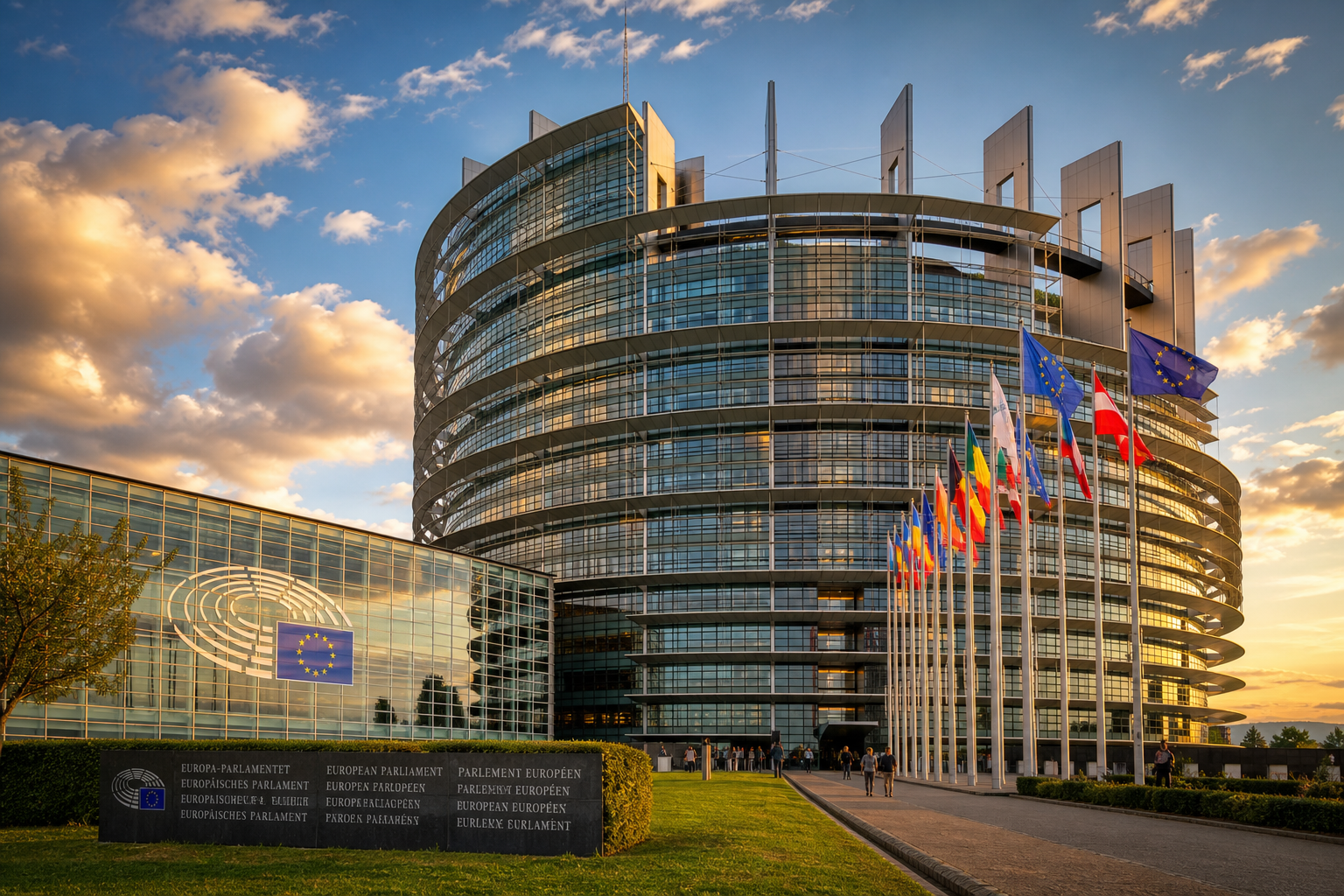
The European Union is entering a new phase in the regulation of artificial intelligence. The EU AI Act, introduced in 2024, becomes widely applicable on August 2, 2026. This Act aims to establish uniform standards for the development, deployment, and marketing of AI systems across Europe. It represents a notable change in regulatory structures, impacting companies that develop and offer AI technologies.
Background and Development of the Act
Initial drafts for a comprehensive regulatory framework for artificial intelligence (AI) were proposed by the European Commission back in 2021. Following intense discussions and modifications, the EU AI Act was formally introduced in August 2024. The time span from introduction to applicability was intended to give stakeholders time to adapt to the new rules. The focus was on creating a clear, coherent, and forward-looking regulatory environment that does not stifle innovation but adequately addresses the risks posed by high-risk AI systems.
The regulatory framework introduced two years ago establishes strict requirements for various risk categories of AI systems. It particularly emphasizes the necessity for AI systems to comply with the ethical and legal standards of the European Union. A core element is the prohibition of applications with 'unacceptable risks,' a provision already effective since 2025.
Details on Requirements and Implementation
The Act clearly differentiates between different classes of risks that AI applications might pose. Systems that potentially carry 'high risks' are subject to particularly stringent requirements. These requirements significantly differ from those applied to lower-risk applications, where a simplified procedure for compliance is envisaged. High-risk AI systems include applications in critical infrastructure or the healthcare sector, requiring providers to conduct comprehensive risk analyses and evaluations.
The amendment to the Act, which reached a preliminary agreement in this year, aimed to clarify these requirements and facilitate compliance. An important aspect is the creation of a transparent process for classifying AI systems into different risk categories, to be implemented uniformly by member states.
Strategic Significance for Europe
With the EU AI Act, Europe positions itself as a pioneer in AI regulation. This is not only of real economic and political relevance but will also have a significant influence on the global AI market. European companies are compelled to meet strict standards, which could potentially offer a competitive advantage on an international level, especially if these standards are recognized as quality benchmarks in other regions. This increases the competitiveness of European AI solutions globally.
Additionally, the final report from the expert commission on "Competition and Artificial Intelligence" indicates that Europe’s technological and economic capacity is set to be bolstered by strategic support measures. This includes plans for multi-billion euro investments to support the European AI infrastructure.
Critiques and Challenges
Despite the positive regulatory approaches, the comprehensive rules have faced criticism. Companies have expressed concern about the increased effort and cost required to comply with the new regulations. Smaller startups, in particular, may face challenges in meeting compliance criteria, potentially affecting their ability to innovate.
The amendment to the regulation attempts to address these concerns by introducing more straightforward processes and clearer definitions. It remains to be seen how practice will manage this balancing act between promoting innovation and regulation.
For the tourism sector, this development is noteworthy for various reasons. AI-based applications are increasingly important in areas like customer interaction, data analysis, and service organization. The forthcoming changes in EU regulation could impact the development of innovative, AI-driven tools in the tourism sector, highlighting challenges as well as new opportunities for stakeholders.
Sources
- Schlaglichter der Wirtschaftspolitik Juli 2026 — Report on economic policy developments in Germany
- AI Act — Information page on the EU AI Act
- AI Advent Calendar: An Informal Learning Intervention for Data & AI Literacy — Educational project
- Finding Connection — Documentary on human connections
This article was automatically generated using artificial intelligence.