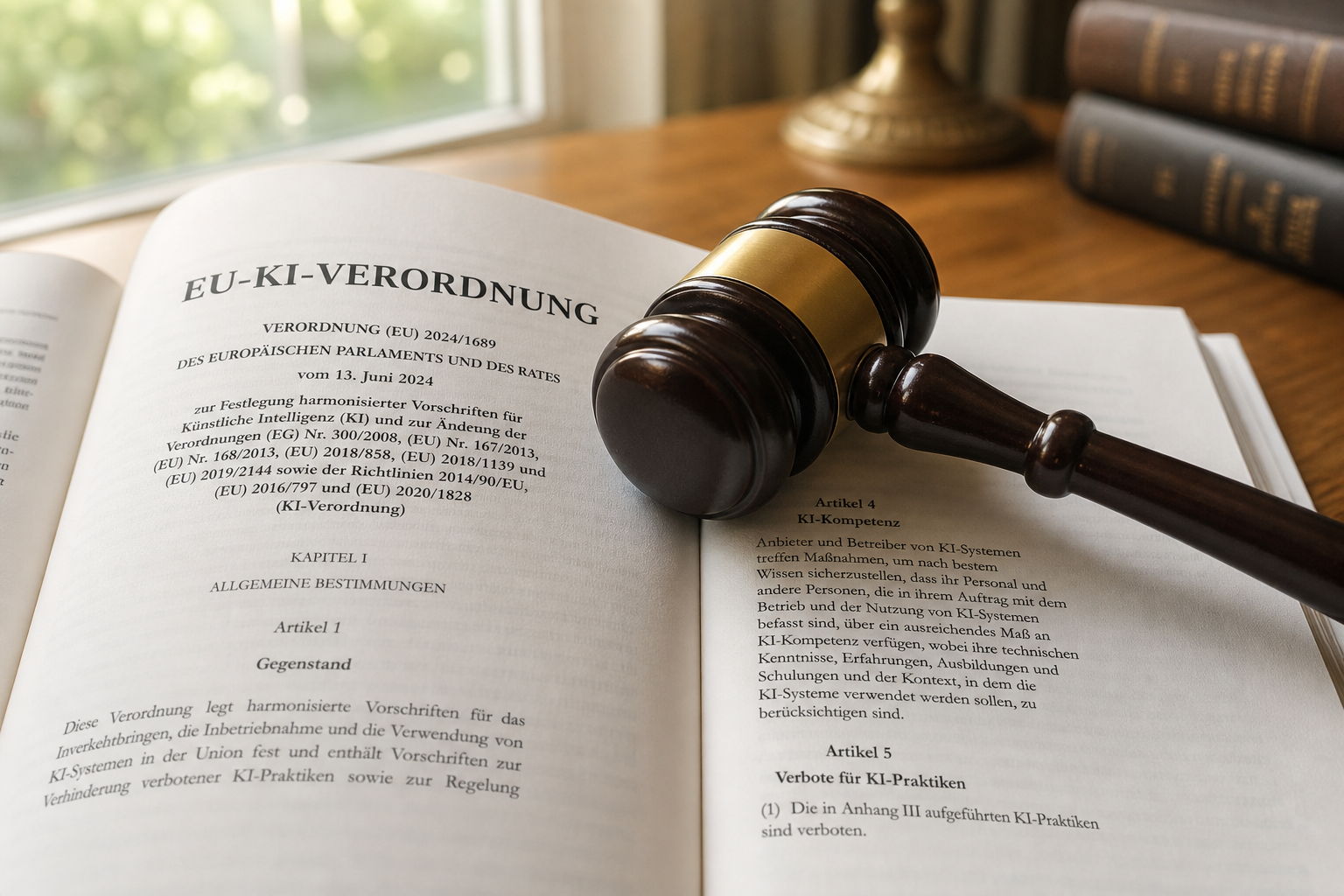
The European Union takes a significant step toward effective AI regulation. Most provisions of the EU Artificial Intelligence Act (AI Act) come into force on August 2, 2026. It is the world's first comprehensive regulatory framework for AI, aiming to create a unified legal structure across the EU.
Scope and Objectives of the Act
The primary aim of the AI Act is to make AI technologies safe and trustworthy. It specifies clear standards for the development, market placement, and usage of AI systems. A prominent feature is the ban on AI systems with unacceptable risks, which has been effective since February 2025. These are systems that violate EU fundamental values such as human dignity, democracy, and respect for human rights.
The Act also classifies AI systems into different risk categories. High-risk AI systems are subject to stringent checks, while other categories are less restrictive.
Technical and Legal Framework
The AI Act does not replace existing regulations but adds specific requirements. Companies are required to implement extensive technical safety measures. For instance, transparency criteria must be met, and regular safety audits conducted. This specifically affects providers of high-risk AI systems. The EU hopes these regulations will not only manage the market but also provide a safe development framework for innovative companies.
Additionally, a European oversight mechanism is established to ensure compliance. The centralized coordination lies with the newly created European AI Authority, which collaborates with national competence centers.
Amendment of the Act
To address practical challenges, the EU Commission proposed amendments in 2025. These adjustments aim to delay application deadlines for certain provisions, allowing providers to meet high standards. Particularly, high-risk category systems have extended deadlines up to August 2028 for implementing new regulations.
The amendment is the result of intensive negotiations among EU institutions. Through application flexibility, the EU hopes to promote innovation without compromising user protection.
Strategic Importance for the AI Market
The EU aims to pioneer AI regulation, thereby strengthening Europe's technological sovereignty while ensuring fairness and safety. The global AI market is significantly influenced by binding EU regulations. Companies worldwide seeking to operate in Europe must comply with EU standards. Firms have already predicted that this measure could lead to a 'renaissance of responsible AI'.
A focus is on European SMEs and startups, who are both encouraged and challenged by the Act. Particularly, the provision of financial support through European funding programs is discussed as a key success factor by the industry.
In tourism, the regulation of AI systems might mean that using smart technologies, such as personalized guest communication, can occur within a clear and trustworthy legal framework. This opens up potential for innovative applications that could enhance customer experience without compromising data privacy.
Sources
- Schlaglichter der Wirtschaftspolitik Juli 2026 — Federal Ministry for Economic Affairs and Climate Action
- LEGAL UPDATE IP/IT — GÖRG Partnerschaft von Rechtsanwälten mbB
- EU Artificial Intelligence Act — Wikipedia
This article was automatically generated using artificial intelligence.