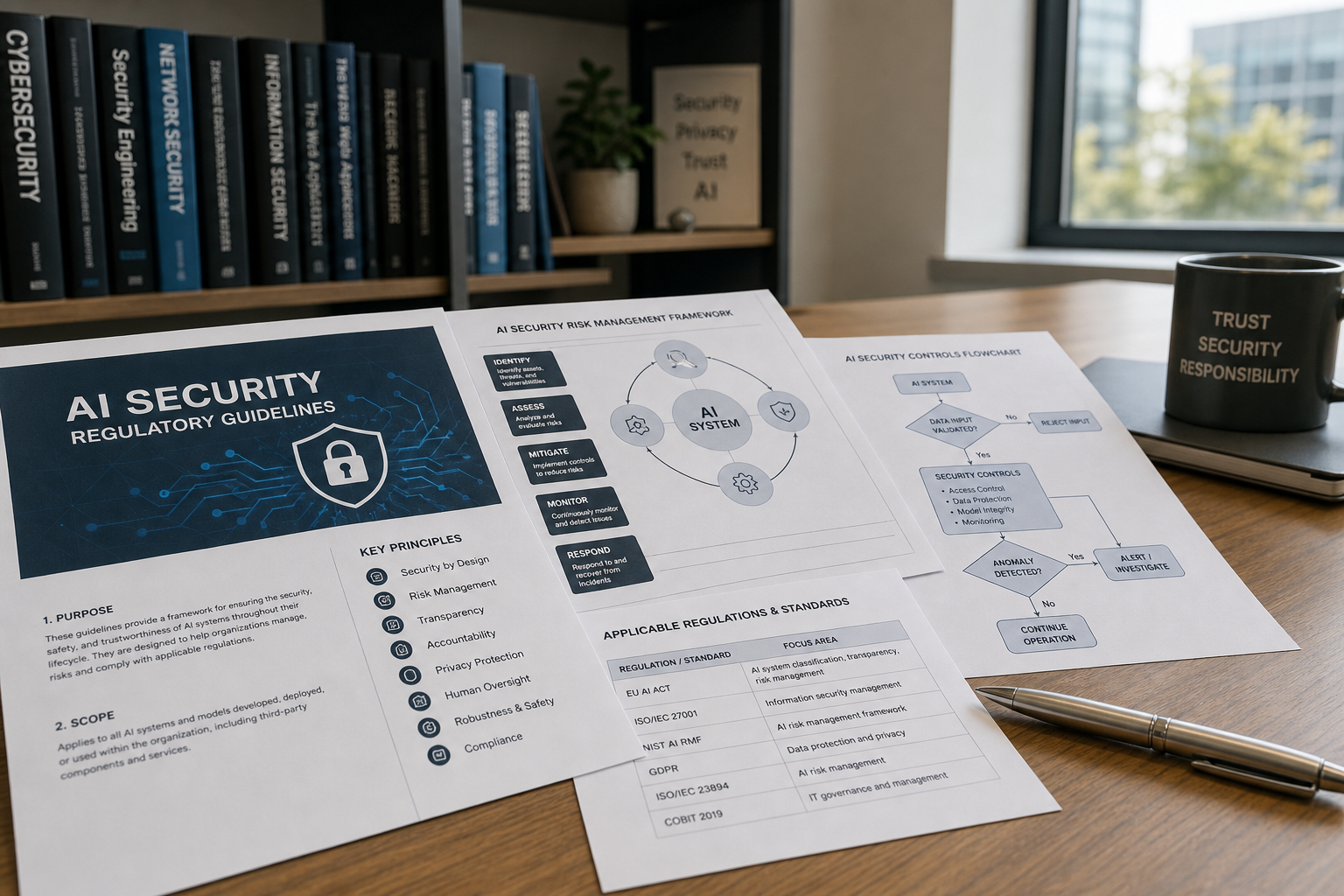
On July 9, 2026, the German Federal Office for Information Security (BSI) announced the release of the A5 Framework, marking a significant effort to enhance the security of Artificial Intelligence (AI) systems. This new framework aims to assess and elevate the trustworthiness of AI applications by providing a modular testing architecture that addresses various areas of AI security.
Modular Architecture of the A5 Framework
The A5 Framework introduced by BSI is divided into five modules, each targeting specific security aspects of AI systems. Each module has a precisely defined purpose aimed at ensuring comprehensive security and reliability. The five modules are: data quality and integrity, model robustness, transparency and explainability, data protection, and ethical aspects.
Data Quality and Model Robustness
The first module, data quality and integrity, examines the accuracy and completeness of the data used by AI systems. High data quality is essential for achieving reliable results. Model robustness, the second module, assesses how resistant an AI model is to manipulations and attacks. This module is crucial as it ensures that AI systems function reliably, not only under ideal conditions but also when disrupted.
Transparency, Data Protection, and Ethics
The third module, transparency and explainability, aims to ensure that decisions made by AI systems are understandable and transparent. This is particularly important for building user trust in these technologies. In the context of data protection, the fourth module examines whether AI systems comply with data protection regulations. Finally, the module on ethical aspects evaluates the alignment of systems with societal norms and ethical standards, which is critical for social acceptance.
Strategic Importance of the A5 Framework
With the A5 Framework, the BSI demonstrates a proactive approach to the rapidly evolving AI landscape. By inviting experts and stakeholders to provide feedback until August 2026, the BSI underscores its commitment to establishing practical and effective security standards for AI systems. The initiative highlights the strategic importance of ensuring that AI technologies can be reliably and securely deployed in an increasingly digital world.
Currently, there is no comparable verified system available on the market, granting the A5 Framework a unique stance. This sole availability may lead it to become standard in Germany and the broader European region. However, it ensures flexibility to adapt to technological advances and emerging challenges.
In the tourism context, the A5 Framework could play a role in ensuring that AI applications in tourism, such as intelligent booking systems or personalized travel guides, meet the necessary security standards. By doing so, potential risks could be minimized, and consumer trust in technological solutions within the travel sector could be strengthened.
Sources
- KI Echo — Information platform for AI news
This article was automatically generated using artificial intelligence.