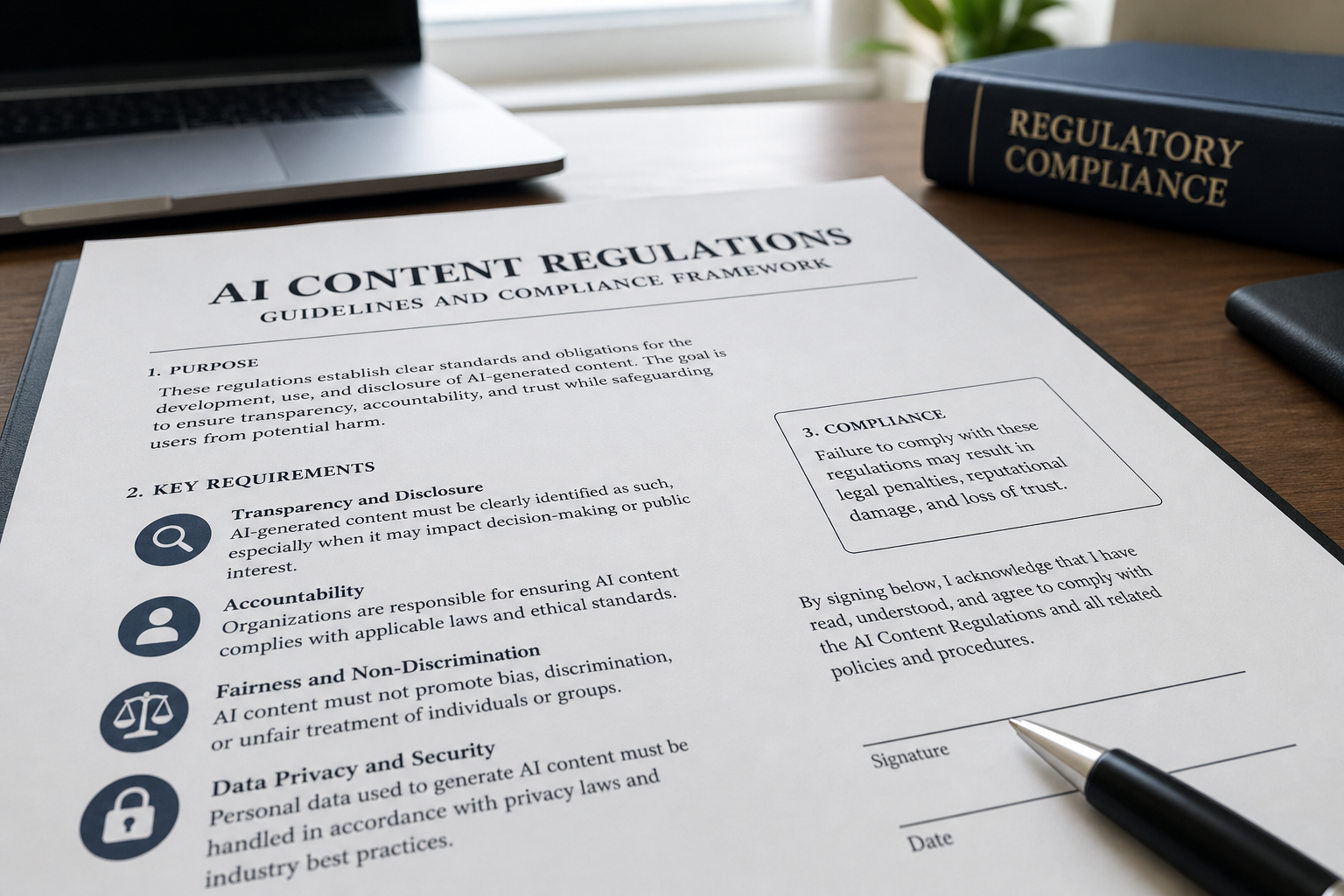
On August 2, 2026, a new legal regulation came into effect in Germany that bears significant implications for companies using artificial intelligence (AI) to create content. This regulation mandates that businesses explicitly label all AI-generated content. Given the ever-increasing use of AI across various industries, including the tourism sector, this shift raises essential questions, particularly regarding transparency, consumer trust, and legal ramifications.
The Details of the New Regulation
The legal change affects content generated through AI, whether in the form of texts, images, audio, or videos. The primary aim of this decision is to enhance transparency for consumers and ensure they can clearly distinguish between human-created and machine-generated content. Violations of this provision can lead to significant financial penalties, although specific amounts have not yet been disclosed by the authorities.
Technological Implementation and Challenges
Companies now face the challenge of reviewing their existing content for AI elements and ensuring that they are appropriately labeled. This requires not only awareness within organizations but also technical adjustments. Content management systems need updates to facilitate and manage labeling. Meanwhile, companies must implement mechanisms to continuously monitor compliance with these requirements.
Corporate and Market Reactions
Initial reactions indicate that many companies welcome the new regulation, as it can strengthen trust relations between consumers and producers. Representatives from the digital content creation sector emphasize that businesses should view the legal adjustment as an opportunity to enhance transparency while continuing to develop innovative solutions to leverage the efficiency of AI systems.
Strategic Impacts on the Industry
Strategically, the regulation opens up the possibility of setting new standards that go beyond simple compliance. Companies might increasingly focus on quality and authenticity, which in the medium to long term could result in a more favorable customer perception. Considering the global attention AI and its applications are garnering, it is expected that other countries might consider taking similar steps.
In the context of tourism, this development is particularly noteworthy. Hotel chains and Destination Management Organizations (DMOs) could benefit from this regulation by focusing on transparent communication and strengthening travelers' trust in the information they provide. Such legal provisions might also lead to a more conscious and responsible use of AI in creating marketing materials, ultimately benefiting the tourism sector.
Sources
- Gesetzliche Neuregelungen August 2026 — Federal Ministry