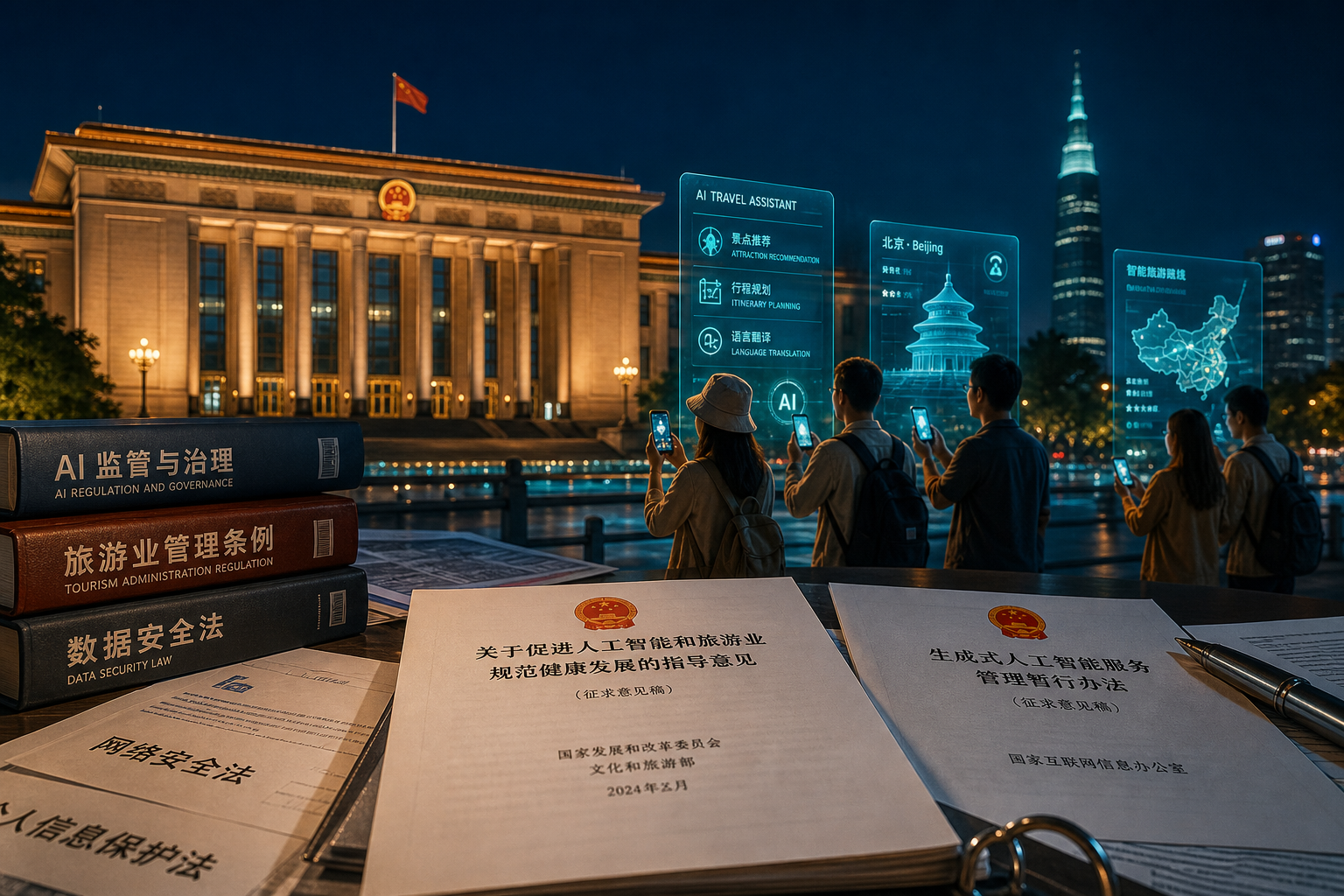
The recent call by Xi Jinping for increased control and openness in Artificial Intelligence (AI) during the World AI Conference in Shanghai signifies a turning point for the international technology and tourism sectors. For those in the tourism industry, the question arises: how to respond to these geopolitically motivated regulatory impulses? China is not only a significant player in the global travel market but also a leader in technological advancement, meaning Xi's emphasis on regulations will likely have extensive repercussions.
Regulatory Adjustments for the Tourism Sector
Destinations that host a significant share of Chinese tourists or collaborate with Chinese firms must reassess existing AI-driven systems for regulatory compliance. Xi Jinping explicitly called for a blend of monitoring and early warning systems to prevent misuse. This implies that tourism entities utilizing AI tools for marketing or personalizing travel experiences must undertake comprehensive modifications to meet new standards. The introduction of centralized data processing systems may become necessary to align with data protection and security requirements.
The Technological Challenge of Moonshot AI's “Kimi K3”
Apart from regulatory aspects, technological evolution itself necessitates adaptation: Chinese start-up Moonshot AI unveiled “Kimi K3,” a language model on par with leading Western models. Such models enable new avenues for personalized customer interactions but also heighten competition. Through “Kimi K3,” tourism businesses can develop significantly more advanced applications, such as real-time translation or automated customer communication, requiring investments in appropriate technological infrastructures.
Muse Spark 1.1 and Cost-effective AI Integration
Another notable development is Meta's introduction of “Muse Spark 1.1,” equipped with a new API offering cost-effective AI integration opportunities. For destinations and hotels, this model provides an affordable way to implement state-of-the-art AI functionalities. This is particularly advantageous for smaller providers previously hindered by high technology costs. Automating booking processes or personalized customer service can now be achieved with manageable investments.
What This Means for Tourism Destinations and DMOs
The strategic implications of these developments are clear: turbulence at both regulatory and technological levels demands increased vigilance. Tourism leaders should ensure their AI systems not only operate efficiently but also comply with the law. Building proactive partnerships with tech companies to stay updated on technological fronts is advised. Additionally, training staff on new AI tools could enhance acceptance and application of these technologies.
Outlook
In the coming months and years, the question of controlling AI and managing the growing complexity of these systems will gain more importance. Providers and consumers of tourism services must prepare for stronger regulations and increasingly technology-driven consumer expectations. The ability to agilely respond to these developments will be crucial for long-term success in the tourism industry.
Sources
- China's President Xi calls for AI control and openness — Report on the World AI Conference in Shanghai.
- US opening: Nasdaq with significant losses – AI concerns weigh — Market analysis and tech sector insights.
- AI News from July 16, 2026 — Latest innovations in AI.